
Multichannel B2B outreach strategy, email outreach, LinkedIn prospecting, social selling, sales engagement
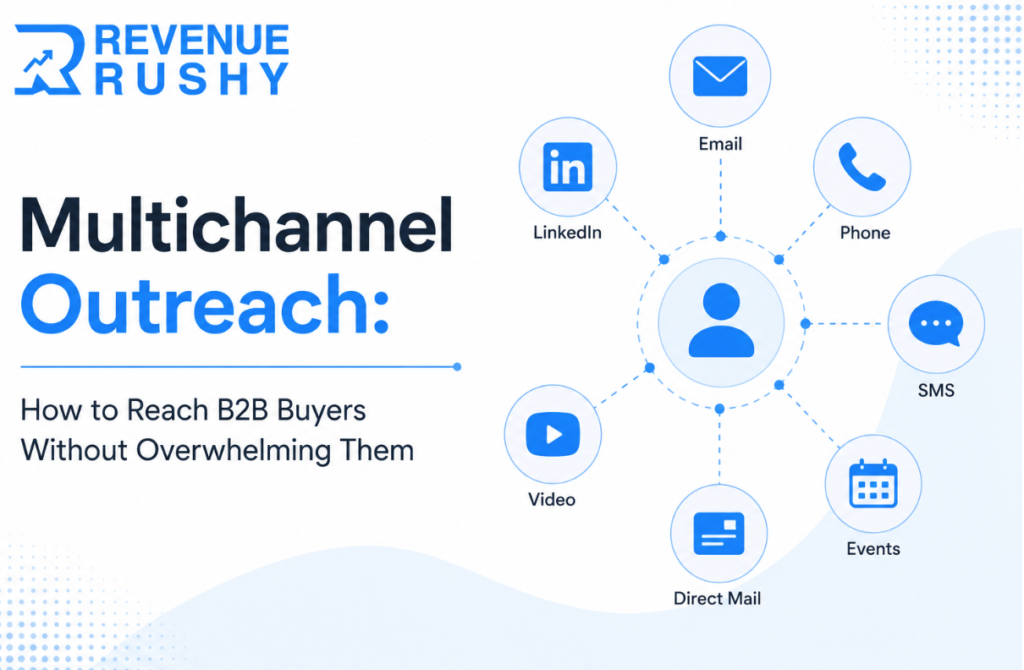
B2B buyers interact with brands across multiple channels before deciding whether to respond, book a meeting, or explore a solution. They may read an email, visit a website, view a LinkedIn post, download content, and research a company before speaking with sales. A well-planned multichannel B2B outreach strategy helps businesses remain visible throughout this journey without creating repetitive or excessive communication.
The purpose of multichannel outreach is not to contact prospects everywhere at once. It is to create a coordinated experience in which each interaction adds context, value, and relevance. When channels, messaging, timing, and tracking are aligned, businesses can improve engagement while protecting the buyer experience.
Choose the Right Channels and Maintain Message Consistency
Different buyers prefer different communication channels. Some respond to email outreach, while others are more active on LinkedIn, industry platforms, webinars, or social media. Channel selection should therefore depend on the ideal customer profile, buyer role, industry, and purchasing behaviour.
Email can be useful for sharing personalised information, case studies, service details, and meeting invitations. LinkedIn prospecting can help sales teams identify decision-makers, understand professional interests, and begin conversations through meaningful engagement. Content marketing supports outreach by giving prospects educational resources that answer questions and demonstrate expertise.
Although the format may change across channels, the central message should remain consistent. A prospect should not receive completely different positioning through email, social media, and sales calls. Consistency builds recognition and prevents confusion.
However, consistency does not mean copying the same message everywhere. Each channel should contribute something different. An email may introduce a challenge, a LinkedIn post may provide insight, and a follow-up message may offer a relevant resource or conversation.
Manage Frequency and Personalise Every Interaction
Too much outreach can reduce trust and make a brand appear aggressive. Businesses should create a clear contact schedule that spaces interactions appropriately and responds to prospect behaviour.
A prospect who opens several emails, visits service pages, or interacts with content may be ready for direct follow-up. Someone who shows limited engagement may need more educational nurturing before receiving a meeting request.
Personalisation should go beyond adding a name or company. Effective sales engagement considers the prospect’s role, industry, business challenges, recent activity, and likely priorities. Messages should explain why the conversation is relevant and what value the prospect may receive.
Social selling can support this process by allowing representatives to build familiarity before making a direct offer. Commenting thoughtfully on industry discussions, sharing useful content, and engaging with relevant posts can make future outreach feel more natural.
Revenue Rushy uses email, social media, LinkedIn, content, and targeted outreach campaigns to connect with audiences across relevant touchpoints. Its coordinated approach helps businesses maintain consistent communication while adapting messages to buyer needs and engagement levels.
Track Responses and Coordinate the Conversation
Multichannel outreach becomes ineffective when teams cannot see what communication has already occurred. CRM systems and sales engagement platforms should record emails, social interactions, meetings, responses, and next steps.
Response tracking helps teams understand which channels generate engagement and which messages create qualified conversations. It also prevents multiple representatives from contacting the same prospect with similar offers.
Businesses should monitor reply rates, content engagement, meeting bookings, conversion rates, and channel contribution. These insights help teams refine timing, messaging, and campaign frequency.
A successful multichannel B2B outreach strategy should feel like one connected conversation rather than a series of repeated sales messages. Every interaction should move the buyer forward by providing useful information, addressing a concern, or introducing a relevant next step.
Explore Revenue Rushy’s approach to coordinated, audience-focused B2B outreach through structured email, LinkedIn, social media, content, and targeted campaign strategies.